A recent study published in Food Packaging and Shelf Life has found that while biodegradable food packaging (such as PLA and PBS) is a sustainable alternative to traditional plastics, it may release higher levels of chemicals when exposed to high temperatures and foods with high fat content.
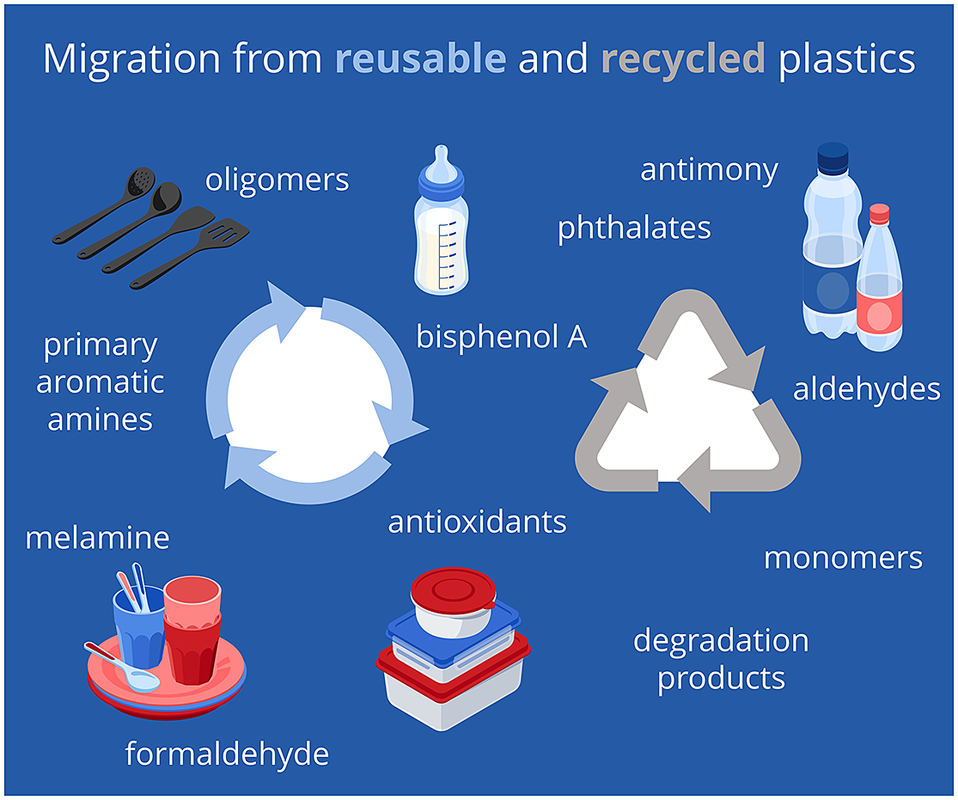
Researchers from several European institutions, including Aarhus University and the University of Foggia, highlighted that heat accelerates the release of "non-intentionally added substances" (NIAS), such as oligomers and degradation products, into food.
Key Findings from the Study
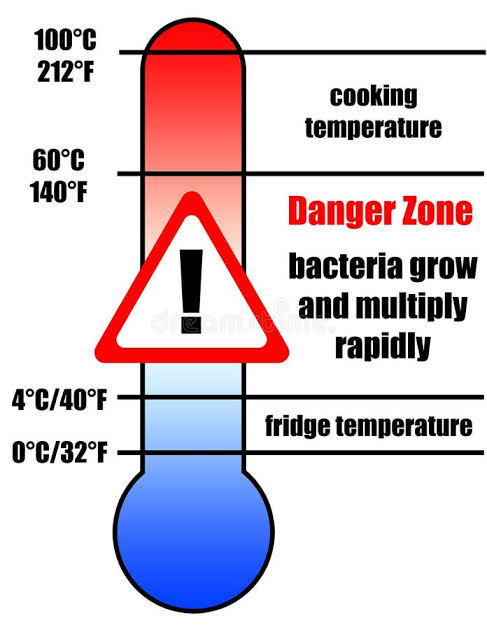
- Temperature Impact: At standard refrigeration (20 °C) or room temperature (40 °C), migration remained below detection limits. However, heating at 70 °C for two hours resulted in measurable chemical migration.
- Fat & Polarity Influence:
- Polybutylene succinate (PBS) showed higher migration into fatty (lipophilic) environments due to its chemical structure.
- Polylactic acid (PLA) experienced more migration in water-based (hydrophilic) environments at high temperatures, likely because water promotes ester bond cleavage (hydrolysis).
- Safety Compliance: Although 16 specific compounds were identified—12 of which are classified as high-toxicity—all migration levels remained within current EU regulatory limits (10 mg/dm²).
Why Does This Happen?
- Molecular Mobility: High temperatures weaken the chemical bonds in polymers, making it easier for smaller molecules like monomers and plasticizers to escape into food.
- Solubility: Many migrating chemicals are lipophilic, meaning they dissolve more easily in fats than in water. Fatty foods like oils, cheese, and butter effectively "pull" these substances out of the packaging.
- Material Structure: Blending different biopolymers to improve durability can sometimes facilitate the release of more volatile organic compounds (VOCs) during processing.
To minimize chemical exposure, experts suggest:
- Match Material to Food: Use biodegradable packaging primarily for fresh produce or dry goods rather than for hot, fatty, or acidic foods.
- Avoid Heating: Do not microwave or heat food directly in biodegradable containers unless they are explicitly labeled as high-temperature safe.
- Storage Conditions: Keep packaged foods in cool, dry environments to slow down the natural migration process.
Courtesy: Food Safety Magazine