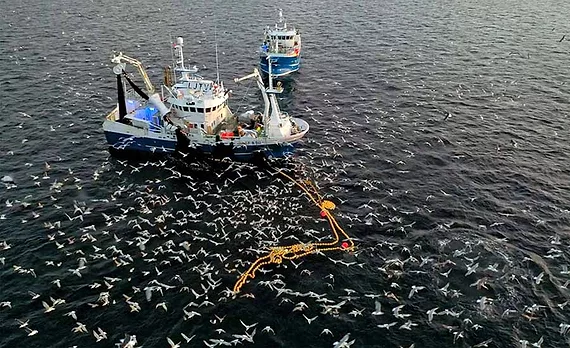
That headline captures the core challenge facing the global seafood industry today. To maintain long-term profitability and consumer trust, the sector is currently shifting toward a "blue economy" model that prioritizes both environmental health and rigorous quality standards.
Here is a breakdown of why these two pillars are non-negotiable for the industry's future:
1. Embracing Sustainability (The Environmental Pillar)
As of 2024, nearly 35% of global fish stocks are being fished at biologically unsustainable levels. To ensure "success," the sector is moving toward:
- Traceability: Implementing blockchain technology to track a fish from the vessel to the dinner plate, ensuring it wasn't caught through Illegal, Unreported, and Unregulated (IUU) fishing.
- Regenerative Aquaculture: Shifting fish farming toward species and methods that actually improve water quality, such as seaweed and bivalve (oyster/mussel) farming.
- Certification: Adhering to standards like the MSC (Marine Stewardship Council) or ASC (Aquaculture Stewardship Council), which have become "must-haves" for entry into major retail markets.
2. Ensuring Safety (The Consumer Pillar)
Seafood is one of the most highly traded food commodities globally, making safety protocols essential for market stability:
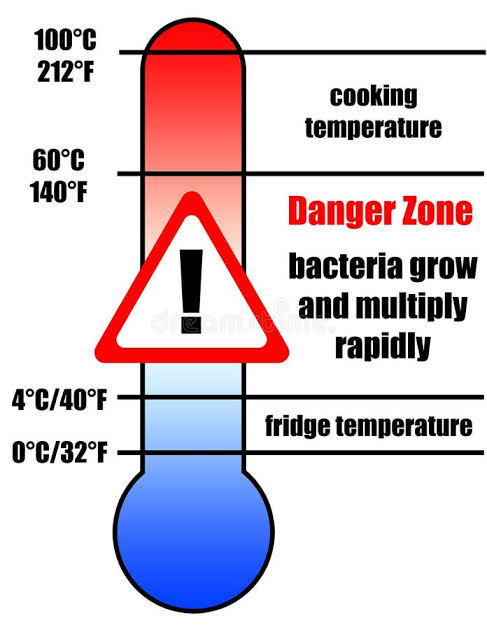
- Cold Chain Integrity: Utilizing IoT sensors in shipping containers to ensure temperature control is never compromised, preventing histamine poisoning and spoilage.
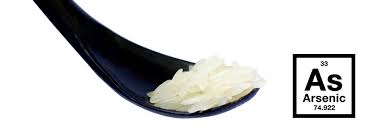
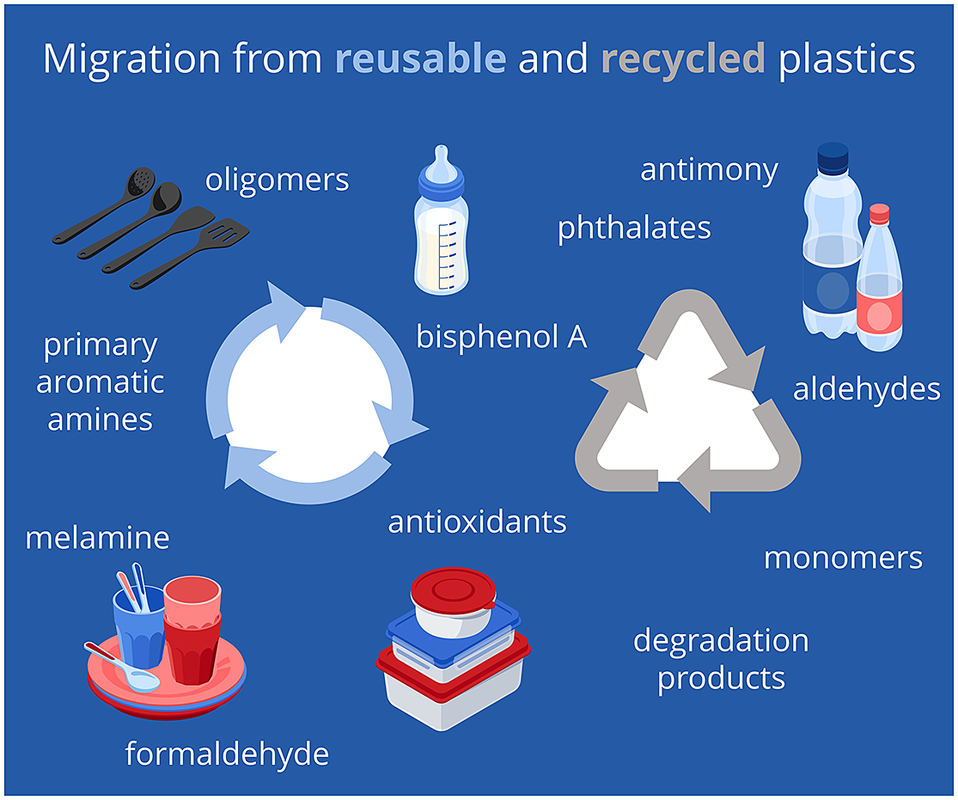
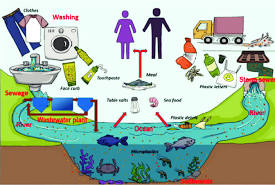
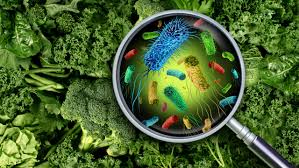
- Pathogen & Microplastic Monitoring: Increasing oversight on heavy metals (mercury), microplastics, and bacterial risks (like Vibrio) that are exacerbated by warming ocean temperatures.
- Labor Standards: "Safety" now extends to the human element. The industry is under pressure to eliminate forced labor and ensure fair working conditions on distant-water fishing fleets.
The "Bottom Line" Benefit
Companies that "ride the wave" of these trends often see lower operational risks and higher brand loyalty. Investors are increasingly using ESG (Environmental, Social, and Governance) scores to determine which seafood enterprises are viable long-term bets.
Are you looking for a deeper analysis of a specific region's seafood regulations, or perhaps a summary of current technology being used to track sustainable fishing?