Artificial food dyes have no nutritional value and have been linked to behavioral and health concerns. While they are regulated, studies link them to hyperactivity in children and potential cancer risks. In contrast, natural colors from whole foods provide vital health benefits.
1. Artificial Dyes
Most synthetic dyes (like petroleum-derived Red 40, Yellow 5, and Yellow 6) have raised alarms over their long-term health effects:
- Behavioral Effects: Strong evidence shows artificial dyes trigger or worsen hyperactivity, inattentiveness, and irritability in sensitive children, which prompted widespread consumer shifts and legislative restrictions (such as bans in California schools).
- Cancer Concerns: Research on certain dyes in animal and cellular studies (such as Red 3 and Red 40) indicates potential cancer and DNA-damaging risks, leading to regulatory reviews and bans.
- Allergies: Some synthetic dyes can trigger hypersensitivity or allergic reactions in sensitive individuals.
2. Natural Colors
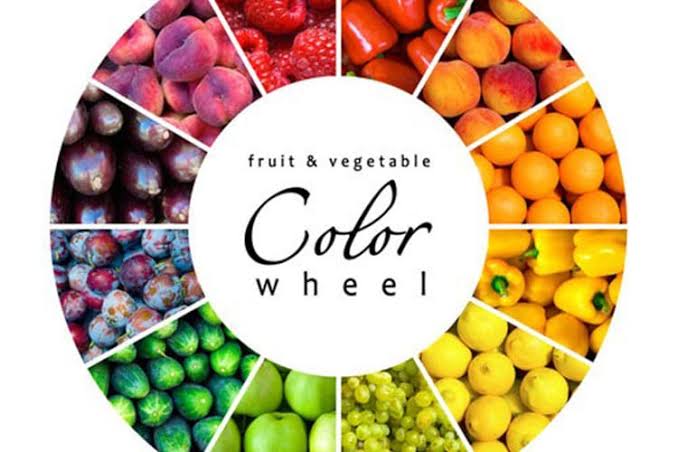
Unlike synthetic additives, the colors found naturally in whole foods (phytonutrients) actively improve your health:
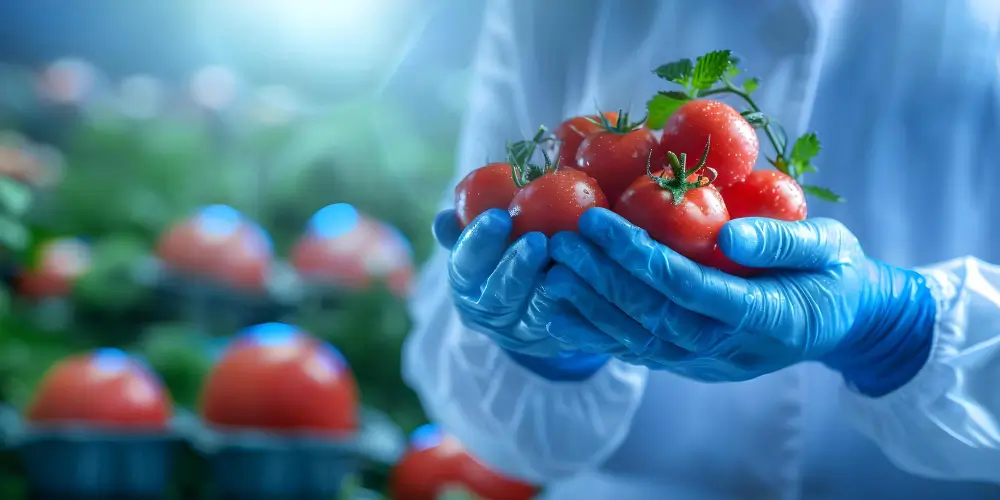
- Antioxidant Properties: Plant pigments (like anthocyanins in berries, beta-carotene in carrots, and lycopene in tomatoes) act as antioxidants, helping to protect cells from damage.
- Disease Prevention: Diets rich in naturally colored fruits and vegetables are strongly associated with a reduced risk of heart disease, stroke, and certain cancers.
- Immune Support: Natural colors provide a variety of vitamins and compounds that actively strengthen the human immune system.
3. Making the Shift
To minimize artificial dye intake, the best strategy is to avoid ultra-processed, brightly colored packaged foods (like candies, and packaged baked goods) and replace them with vibrant, whole foods.
4. Identifying Artificial Dyes on Food Labels
To spot synthetic colors, check the Ingredients List (not the Nutrition Facts panel). Look for the following naming conventions:
- FD&C Numbers: Names like Red 40, Yellow 5, Yellow 6, and Blue 1 are the most common synthetic petroleum-derived dyes.
- Alternative Names: Dyes may also be listed by their chemical or European names, such as Allura Red (Red 40), Tartrazine (Yellow 5), or Sunset Yellow (Yellow 6).
- Lake Pigments: Ingredients listed as "Aluminum Lake" (e.g., Blue 1 Lake) indicate a water-insoluble version of the dye used to color fat-based foods.
5. Spotting Sneaky Sources
Artificial colors are frequently added to foods that do not look overtly vibrant:
- Flavored Yogurts: Often contain Red 40 or Blue 1 to enhance fruit appearance.
- Salad Dressings: Creamy dressings or vinaigrettes use Yellow 5 or titanium dioxide for thickness and color.
- Pickles: Frequently use Yellow 5 to create a sharp, artificial green tint.
- Baked Goods: Boxed cake mixes, breads, and crackers often use dyes to look perfectly golden.
6. Incorporating Natural Food Colors
You can replace artificial coloring in your home cooking using vibrant, nutrient-dense whole foods:
- Red & Pink: Use beet juice, hibiscus powder, or crushed raspberries.
- Yellow & Orange: Use turmeric, saffron threads, or carrot juice.
- Green: Use spinach juice, matcha powder, or spirulina.
- Blue & Purple: Use purple sweet potato, wild blueberry juice, or butterfly pea flower.