Investigating a food poisoning outbreak requires a swift, coordinated response to identify the pathogen, locate the contaminated source, and prevent further illness. It relies on a combination of clinical diagnosis, patient interviews, food testing, and supply-chain traceback to establish a link between sick individuals and a common food item.
1. Clinical Diagnosis and Testing
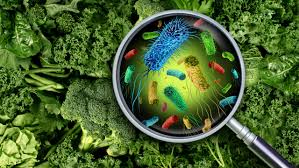
- Gather Biological Samples: Healthcare providers collect clinical samples (stool, vomitus, or blood) from affected individuals to identify the specific pathogen (e.g., Salmonella, E. coli, Norovirus).
- Perform Laboratory Analysis: Labs perform cultures or whole-genome sequencing (WGS). Genetic sequencing helps identify DNA fingerprints to confirm if multiple patients are sick from the exact same strain.
2. Epidemiological Investigation
- Interview Patients: Public health officials interview sick individuals to create a detailed timeline of their activities, meals, and symptoms leading up to the illness.
- Calculate Attack Rates: Investigators evaluate food items eaten by both sick and healthy individuals to determine which foods have the highest statistical association with illness (attack rates).
- Define the Outbreak: Cases are mapped by Person, Place, and Time (e.g., noting if all cases ate at a specific restaurant over a 48-hour window).
3. Traceback and Environmental Investigation
- Trace the Supply Chain: Regulatory agencies (such as the FDA or local food safety authorities) trace the suspected food backward through the distribution chain to determine where the food originated and how it may have become contaminated.
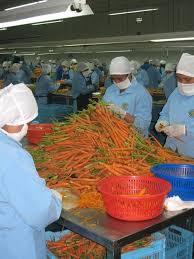
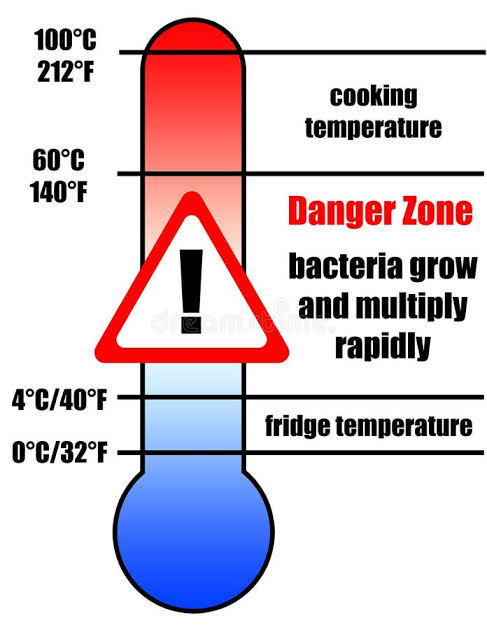
- Inspect Facilities: Health inspectors visit implicated restaurants, kitchens, or farms to evaluate food handling, storage temperatures, hygiene practices, and potential cross-contamination.
- Environmental Sampling: Swabs of kitchen surfaces, equipment, and biological samples from food handlers are collected to check for the outbreak pathogen.
4. Control and Public Action
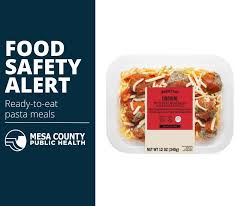
- Remove Contaminated Food: Once the source is confirmed, regulatory agencies work with suppliers to issue public food safety alerts or initiate product recalls to remove the item from grocery shelves.
- Implement Corrective Actions: The implicated facility is mandated to clean, sanitize, and alter its food handling or manufacturing processes before resuming operations