How Microplastics Enter Food
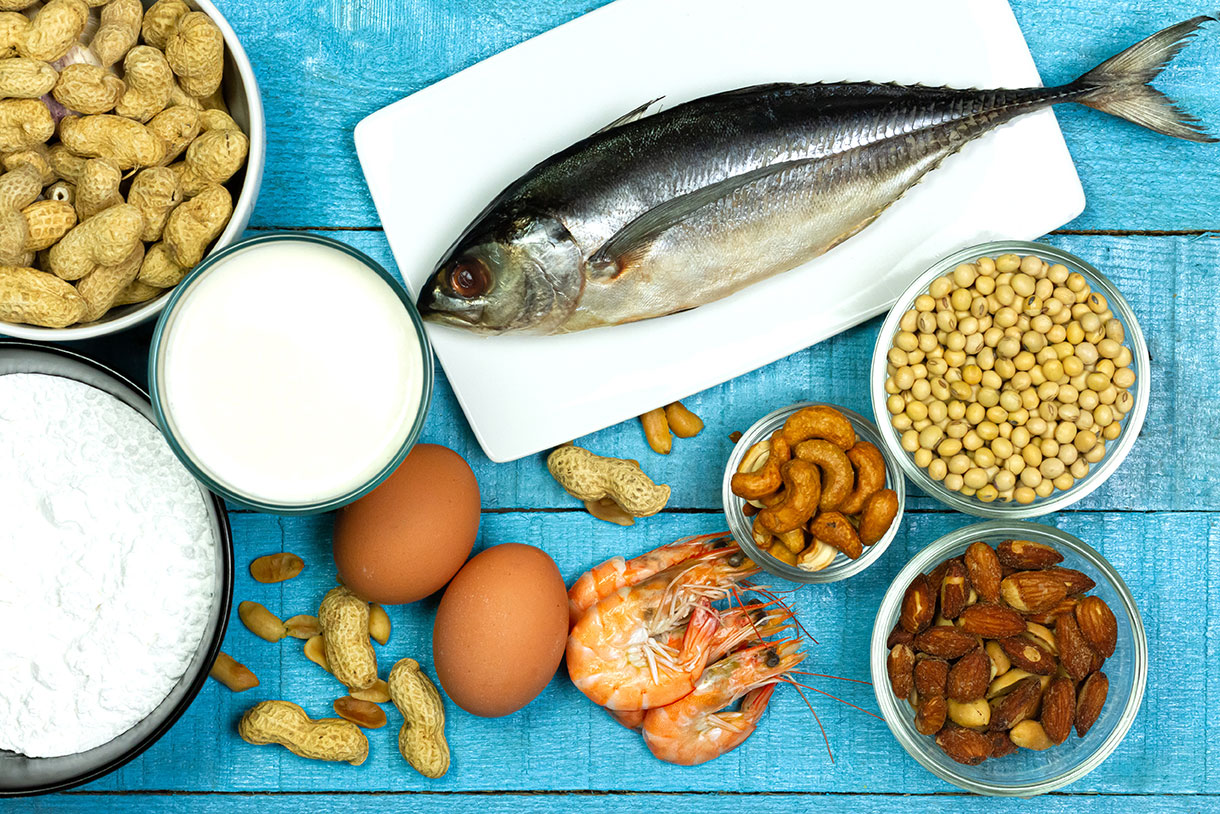
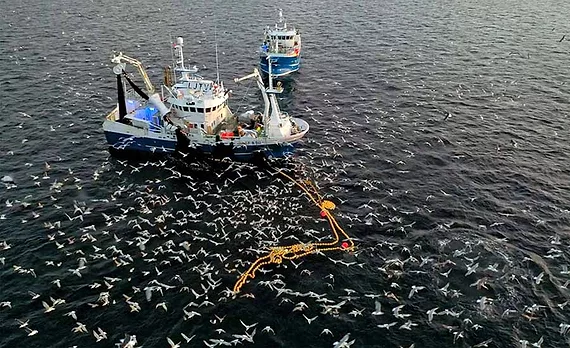
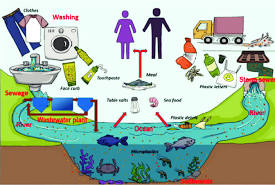
- Environmental Infiltration: Plastics break down in oceans and soils, accumulating in fish, shellfish, and crops.
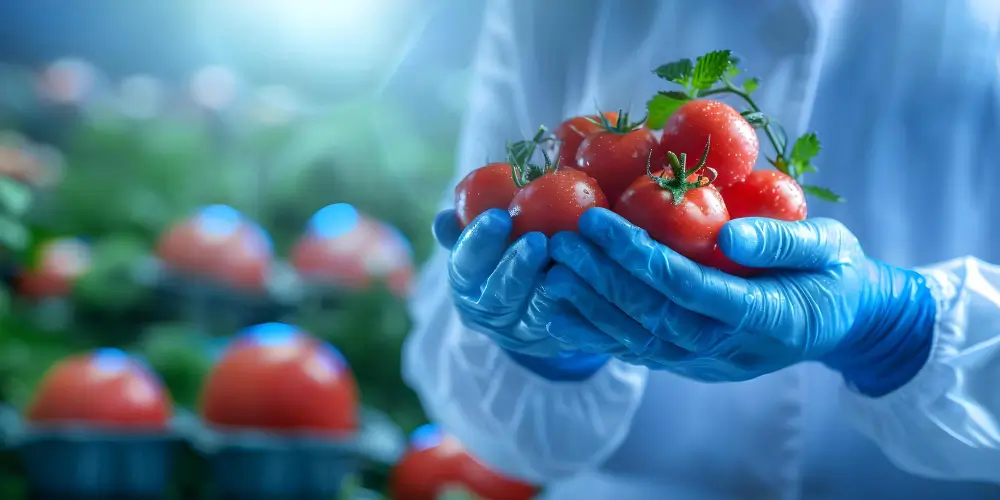
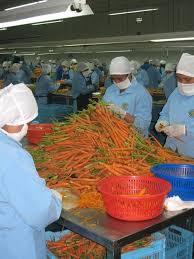
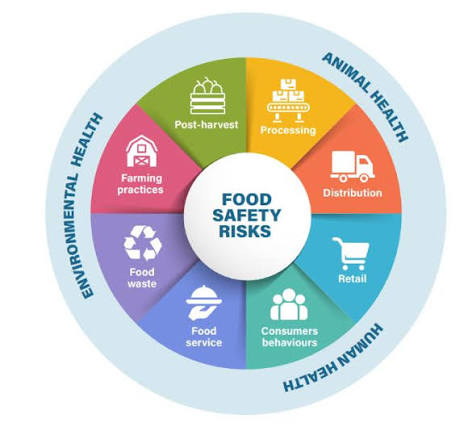
- Industrial Processing: Conveyor belts, personal protective equipment, and automated factory machinery shed plastic particles during manufacturing.
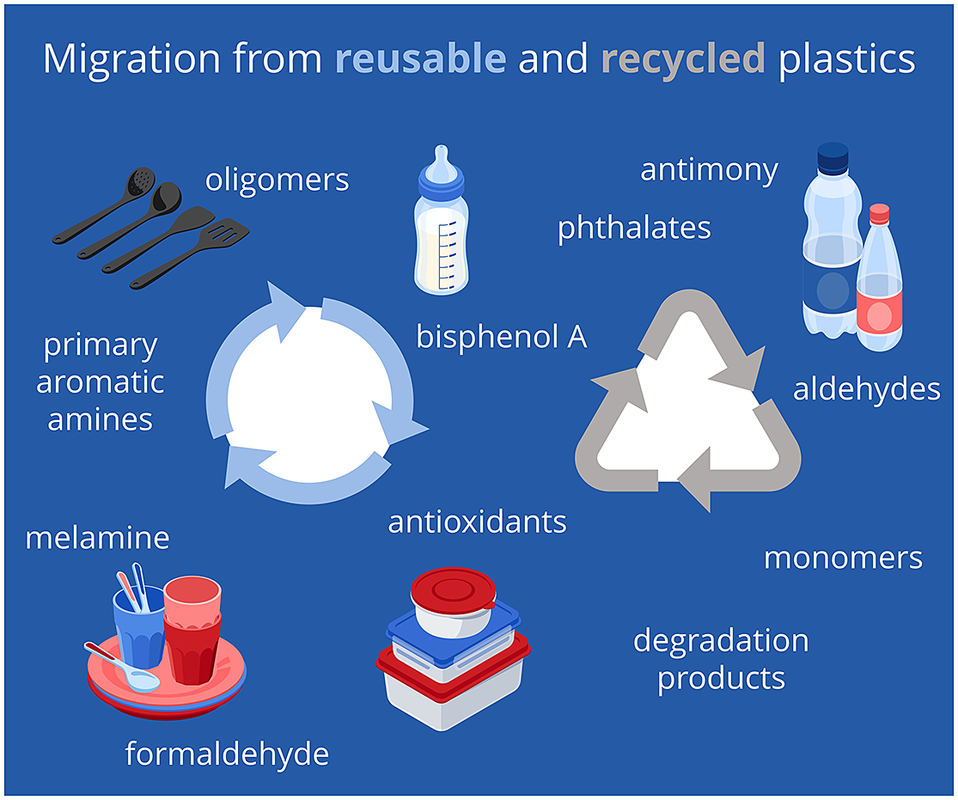
- Packaging Leaching: Food packaging like plastic wrap, single-use squeeze pouches, and plastic bottle caps directly shed micro- and nanoplastics into foods.
- Kitchen Practices: Cooking with plastic utensils, non-stick cookware, or heating food in plastic containers degrades the materials into meals.
Top Sources of Dietary Exposure
An overview published by The Conversation and other consumer research highlights key problematic areas:
- Bottled Water: A single liter can contain hundreds of thousands of nanoplastic particles.
- Seafood: Filter-feeders and bottom-feeders, such as mussels and clams, are heavily exposed to marine plastic debris.
- Salt and Sugar: Both sea salt and terrestrial salts show high rates of microplastic contamination.
- Tea Bags: Steeping plastic-mesh or treated paper tea bags in hot water releases billions of particles into a single cup.
- Ultra-Processed Foods: Complex processing chains and extensive packaging yield higher plastic counts than whole foods.
Associated Health Concerns
While agencies like the FDA continue to evaluate the data, laboratory studies compiled by the THRIVE Project highlight several health hazards under review:
- Chemical Migration: Additives like phthalates, BPA, and PFAS can travel on microplastics and leach into human tissues.
- Endocrine Disruption: Leached chemicals mimic or interfere with natural hormones, presenting reproductive and developmental risks.
- Cellular Stress: Nanoplastics are capable of crossing biological barriers, potentially triggering cell death, inflammation, or oxidative stress.
Steps to Reduce Ingestion
According to an educational guide by BBC, consumers can implement actionable kitchen changes to lower exposure:
- Rinse raw foods: Thoroughly washing rice, meat, and fish can remove up to 40% of surface microplastics.
- Switch tea methods: Avoid plastic-mesh tea bags and choose loose-leaf tea with stainless steel diffusers.
- Ditch the plastic grinder: Use salt or spice grinders with ceramic or metal mechanisms instead of disposable plastic ones.
- Change storage containers: Transition leftovers into glass, ceramic, or stainless steel options.
- Modify microwave habits: Never heat food inside plastic containers, even if they are labeled "microwave-safe".