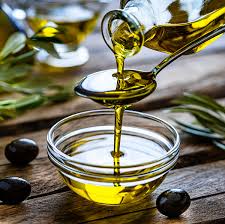
Scientifically, cooking oil quality and safety depend on its fatty acid profile, its resistance to heat-induced degradation (oxidation), and how it is processed. Understanding these variables—rather than just the smoke point—is the most reliable way to choose oils that protect cardiovascular health and minimize toxic byproducts during cooking.
The Science of Heat Degradation
When oils are exposed to high heat (sautéing or frying), they degrade through three primary processes:
- Oxidation: Heat and oxygen react with unsaturated fats to form harmful free radicals, peroxides, and toxic volatile compounds (aldehydes).
- Hydrolysis: Moisture from the food causes the oil to break down into free fatty acids (FFA), which lowers its smoke point and creates off-flavors.
- Polymerization: Prolonged exposure to high heat causes fat molecules to bond together, making the oil thick and gummy.
The Smoke Point Myth vs. Reality
Historically, the “smoke point” (the temperature at which the oil visibly burns) was used as the sole measure of cooking safety. However, comprehensive research has debunked this.
Studies (such as a notable 2018 Australian study) proved that oils with the highest smoke points (e.g., canola, grapeseed, and sunflower) actually produced the most harmful polar compounds when heated. Meanwhile, Extra Virgin Olive Oil (EVOO), which has a moderate smoke point, was found to be incredibly stable and one of the safest choices due to its high natural antioxidant content, which counteracts oxidative stress.
Selecting the Right Oil
How you intend to cook should dictate the type of fat you use:
- Raw / Low Heat (Salad Dressings, Finishing):
- Options: Extra Virgin Olive Oil, Flaxseed Oil, Walnut Oil.
- Why: These contain fragile polyunsaturated fats (PUFAs) rich in Omega-3s and delicate micronutrients that provide maximum health benefits when unheated.
- Medium Heat (Sautéing, Gentle Baking):
- Options: Extra Virgin Olive Oil, Virgin Coconut Oil, Avocado Oil.
- Why: EVOO and Avocado oil are rich in heart-healthy monounsaturated fats (MUFAs), while coconut oil provides stable saturated fats.
- High Heat (Deep Frying, Roasting):
- Options: Refined/Light Olive Oil, Avocado Oil, Clarified Butter (Ghee).
- Why: These oils are highly stable under extreme temperatures and resist polymerization.
Storage and Safety Best Practices
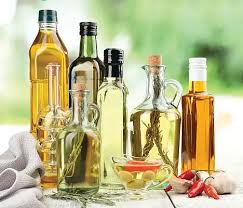
- Prevent Rancidity: Store oils in dark, cool places (like a pantry) in opaque bottles, as light and air rapidly accelerate oxidation.
- Never Reuse Frying Oil: Research shows that repeatedly reheating or reusing oil drastically increases the toxicity and sticky byproducts (glycation).
- Discard Damaged Oil: If an oil smells sour, “paint-like,” or musty, it has gone rancid and should be thrown out.