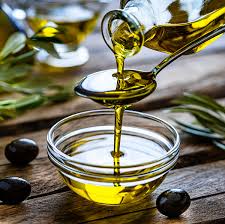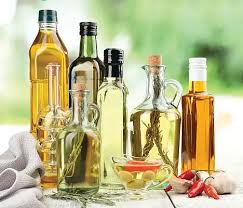
To check edible oil quality at home, use the freezer test (pure oils solidify), the paper absorption test (pure oil leaves a faint, non-spreading translucent spot), or the sniff test (oil should smell fresh, nutty, or earthy rather than bitter or chemical-like).
Edible (Cooking) Oils
Check the quality and purity of cooking and cold-pressed oils using these simple kitchen tests:
- Freezer Test: Place a small amount of oil in a glass container and put it in the freezer for 30–60 minutes. Pure, cold-pressed oils (like coconut or olive oil) will solidify. If it remains completely liquid, it is likely mixed with refined or mineral oil.
- Paper Test: Place a few drops of oil on a plain white paper and leave it in the sunlight for an hour. Pure oil leaves a small, light translucent spot that doesn't spread. If it leaves a greasy ring that spreads significantly, it may be adulterated.
- Flame Test: Dip a clean cotton wick in the oil and try lighting it. Pure oil burns steadily with a bright flame and no sputtering or bad odors.
- Aroma and Taste: Authentic cold-pressed oils should smell distinctly of their source (e.g., coconut, sesame, peanut). Rancid, bitter, or chemical smells indicate degraded or poor-quality oil.
Used Cooking Oil (Fried Foods)
Monitor oil for reuse or disposal using visual and physical cues:
- Color & Smoke: Fresh oil is a clear, golden color. If the oil has turned dark brown or black, or begins to smoke heavily at low temperatures, it has degraded.
- Foam & Smell: If the oil foams heavily on the surface while heating or smells of old, stale food, it is past its prime and should be discarded