Top Global Food Safety Threats
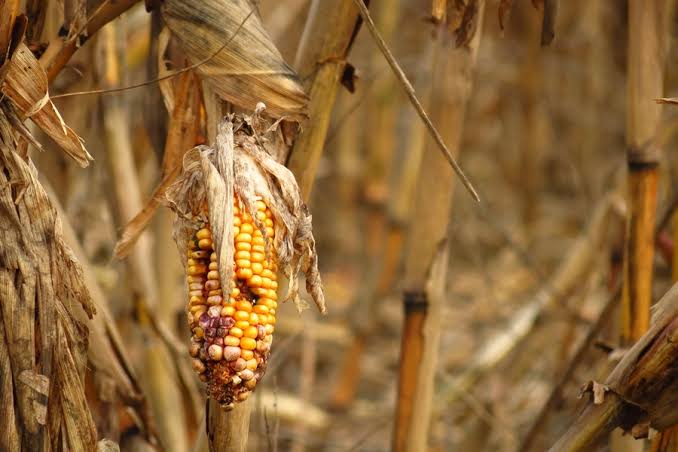
- Climate Change Impacts: Rising global temperatures and erratic weather disrupt food storage and cultivation, leading to a higher prevalence of mycotoxins in grains and marine biotoxins in seafood.
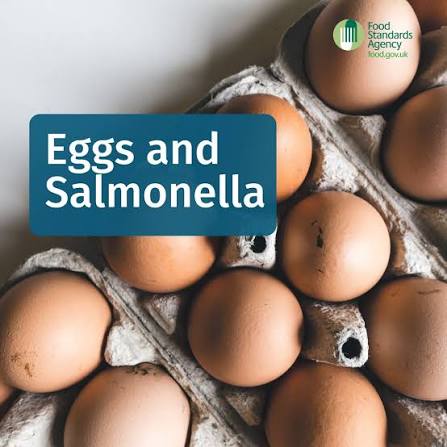
- Antimicrobial Resistance (AMR): The spread of AMR pathogens through the agricultural supply chain remains a critical health emergency. It limits the effectiveness of antibiotics used to treat severe foodborne illnesses like Salmonella and Listeria.
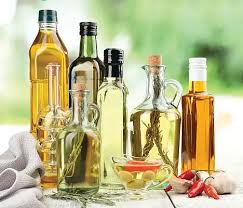
- Advanced Food Fraud: As supply chains become convoluted due to disruptions, economic adulteration—such as diluting oils or substituting premium ingredients with cheaper alternatives—is harder to detect.
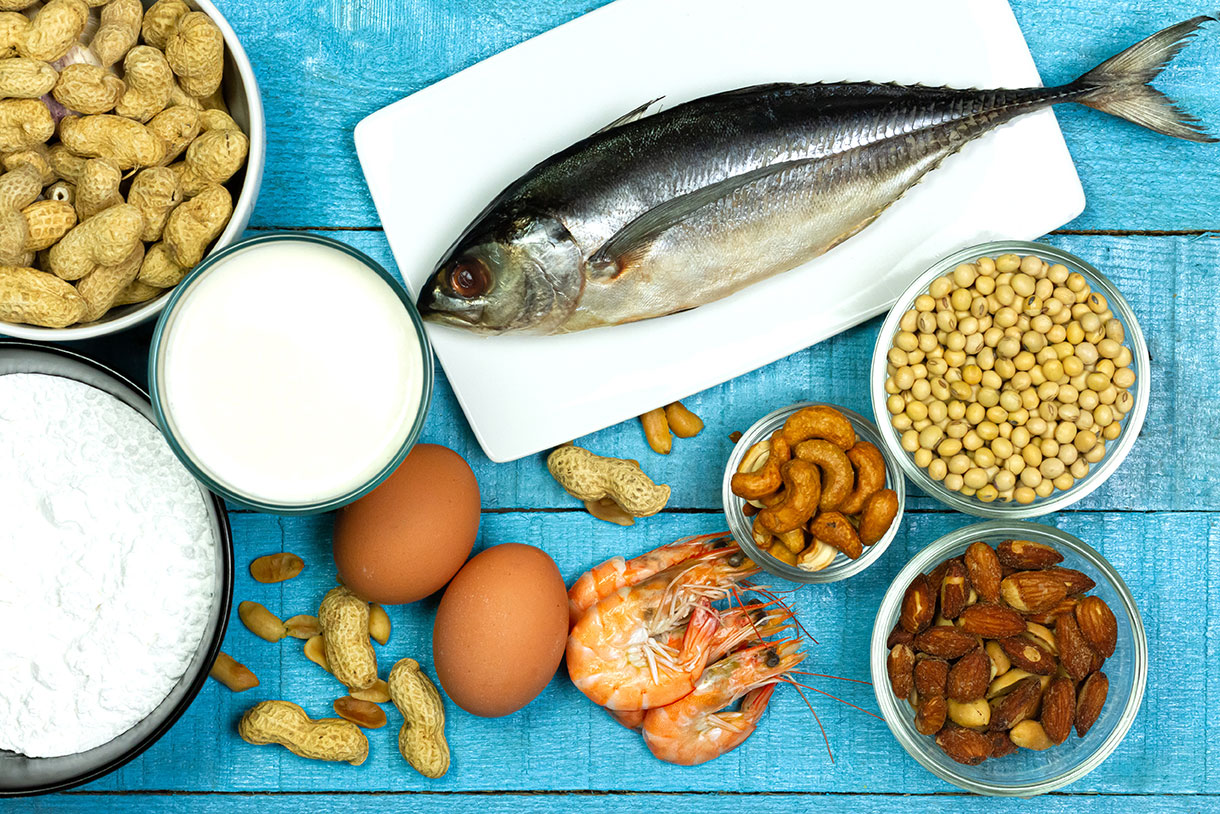
- Novel & Alternative Proteins: The rapid development of lab-grown meats and plant-based substitutes introduces unique allergens and processing hazards that regulators are still scaling to monitor safely.
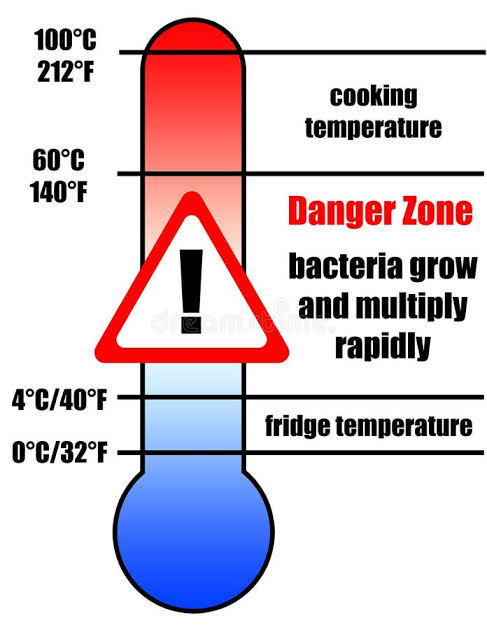
- Geopolitical & Supply Chain Disruptions: Conflicts and trade restrictions cause delays in shipping and sourcing, which compromise the cold chain and increase the risk of spoilage and biological hazards.
Regional Context & Vulnerabilities
The impact of these threats varies heavily depending on local infrastructure and stability:
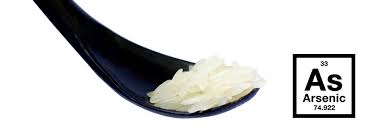
- The Middle East & UAE: Heavy reliance on imported foods makes supply chain resilience and border testing vital. Local authorities (such as the Abu Dhabi Agriculture and Food Safety Authority or Dubai Municipality) rely on advanced monitoring systems to screen for pesticide residues, heavy metals, and adulteration in imported goods.
- Global Hunger Hotspots: Acute structural food crises in regions like Sudan, South Sudan, and Haiti exacerbate safety risks because compromised supply networks force populations to consume potentially unsafe or expired emergency rations.