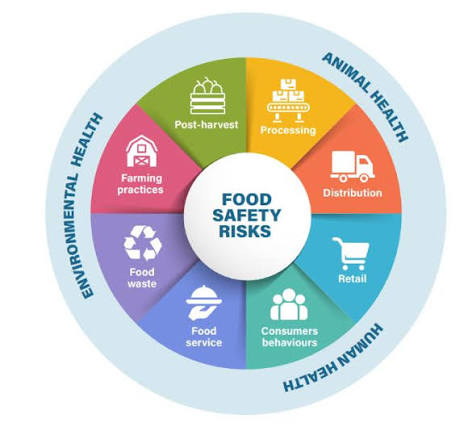
Global food safety concerns are heavily focused on the rising transmission of zoonotic diseases through food supply chains, chemical contaminants, and the regulatory challenges of the modern delivery economy.
Top Global Food Safety Threats
- Avian Influenza (Bird Flu): The highly pathogenic H5N1 strain is increasingly crossing over into mammals, creating severe food security, trade, and public health concerns regarding the safety of poultry and dairy products.
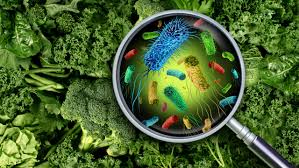
- Antimicrobial Resistance (AMR): The overuse of antibiotics in livestock continues to spawn resistant bacterial strains (such as Salmonella and E. coli), which WHO identifies as a primary threat.
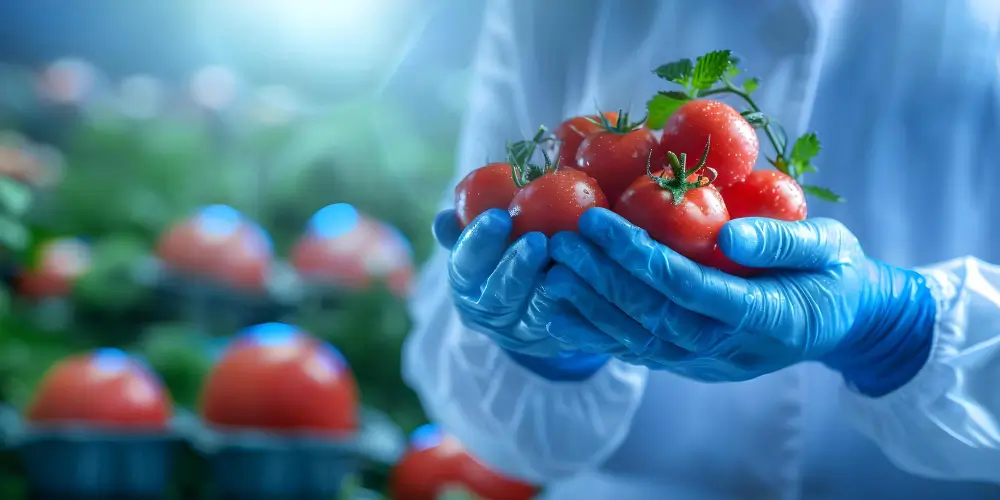
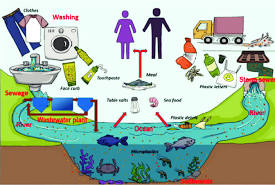
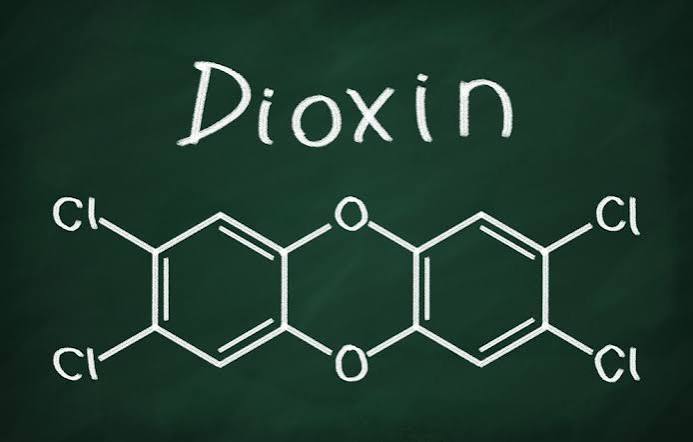
- Environmental Contaminants: Persistent pollutants like PFAS (per- and polyfluoroalkyl substances) are increasingly detected in soil and water, migrating into agricultural produce and seafood.
- Digital Food Delivery Gaps: The rapid growth of ghost kitchens and third-party delivery apps is outpacing food safety regulations, presenting critical concerns for "last mile" temperature control and supply chain traceability.
Protective Actions & Resources
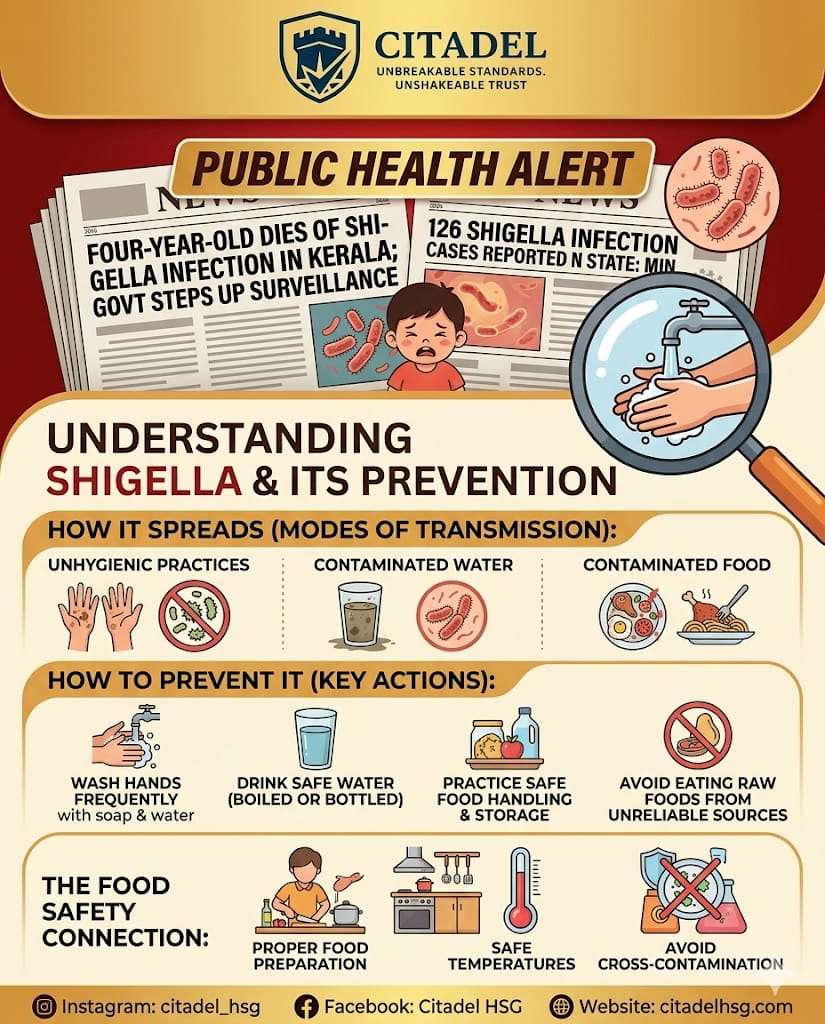
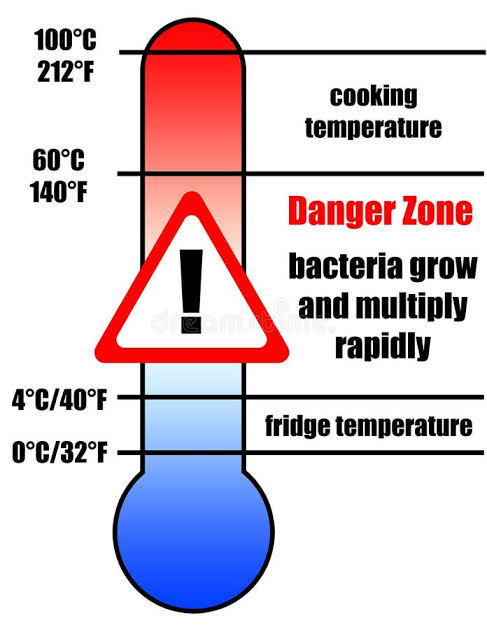
To protect against these emerging global hazards, health authorities recommend strict adherence to proper cooking temperatures, maintaining the 2-hour/4-hour rule for perishable food storage, and relying on trusted food monitoring systems. You can track ongoing alerts and specific regional recalls via the following resources:
- International Alerts: Access global advisories on the World Health Organization Food Safety portal.
- Regional Monitoring: For the UAE and wider Middle East region, verify product recalls and safety news through local municipalities and the Ministry of Climate Change and Environment (MOCCAE).
Top Food Safety Threats in India
- Pesticide Residues & Global rejections: High levels of banned or restricted chemicals, such as the carcinogen ethylene oxide, have triggered international bans and severe domestic scrutiny over major exported and locally sold Indian spices (like MDH and Everest).
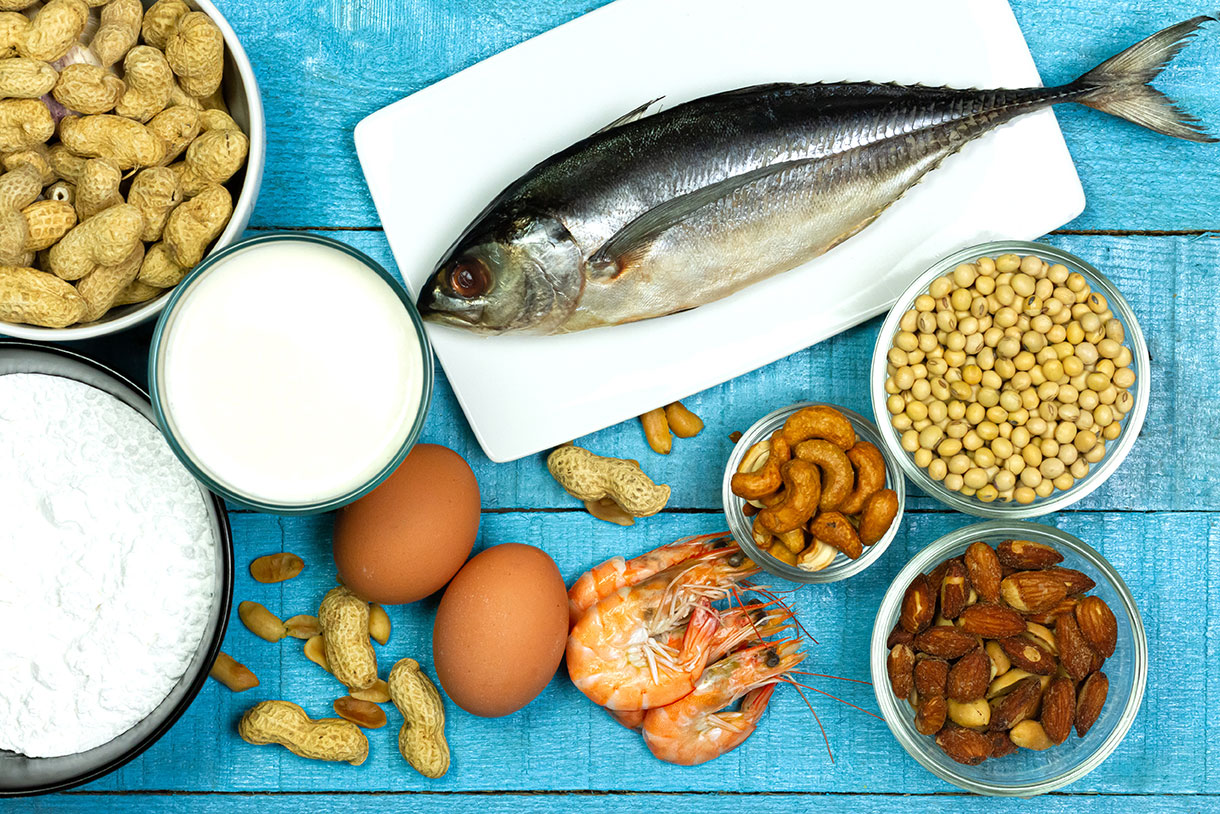
- Adulteration & Contamination Hotspots: Over one-sixth of tested food samples in India fail safety standards. This ranges from toxic synthetic dyes and expired raw materials in spices to milk spiked with detergent and aflatoxins (fungal toxins) contaminating ground nuts and animal feed.
- Fake "Healthy" Claims: Food brands have faced an aggressive FSSAI crackdown for using deceptive brand names and unverified wellness claims. FSSAI mandates that all health claims must undergo strict, long-term toxicological and scientific validation before hitting shelves.
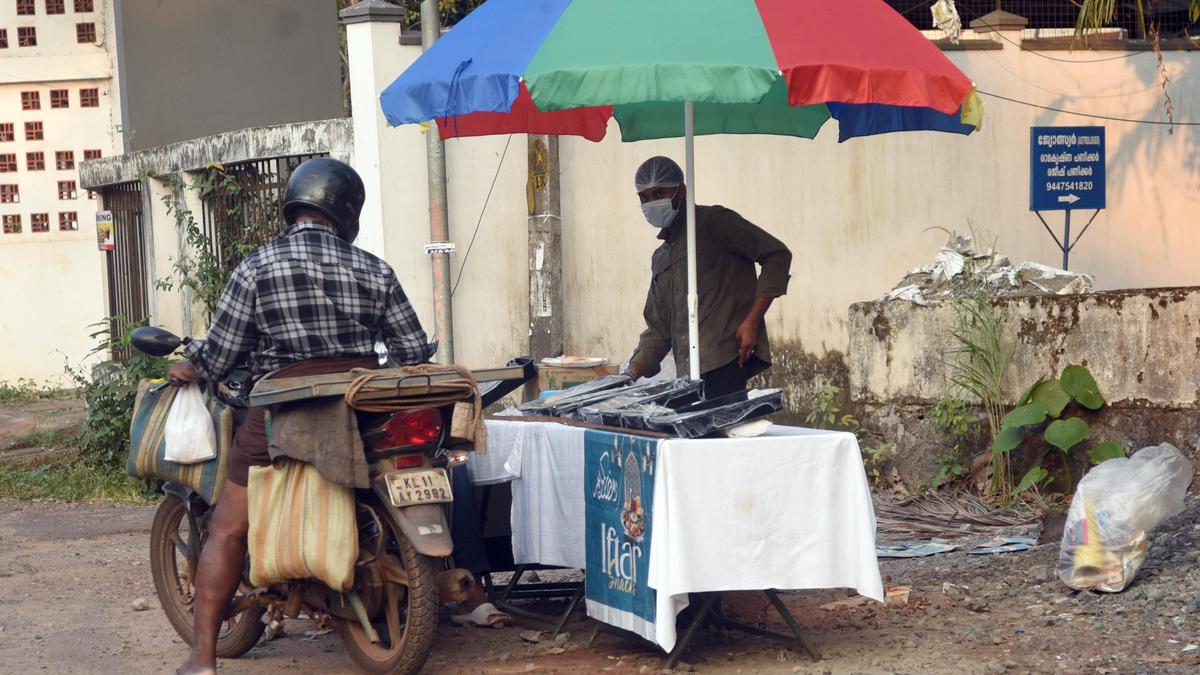
- Hazardous Packaging Practices: The traditional practice of wrapping street food or absorbing oil using newspapers is strictly banned due to toxic ink bleeding and bacterial transfer. FSSAI has also outlawed the use of metallic staples or pins in takeout boxes to prevent accidental consumption injuries.
Safety Recommendations for Consumers
- Check the Label: Look for verified FSSAI registration details and avoid products using vague buzzwords like "100% natural" or "healthy" without concrete nutritional data.
- Wash and Peel Thoroughly: Given the high concentration of pesticide residues on local produce, soak fruits and vegetables in water or organic washes before consumption.
- Avoid Paper-Wrapped Food: Ensure Street vendors serve food on food-grade plates or leaf wraps rather than printed paper or old newspapers.