Clostridium botulinum is a bacterium that produces one of the most lethal natural neurotoxins known, causing a severe and potentially fatal paralytic illness called botulism.
What is Clostridium Botulinum?
- Bacterial Profile: It is a Gram-positive, rod-shaped, spore-forming, and strictly anaerobic (thriving without oxygen) bacterium.
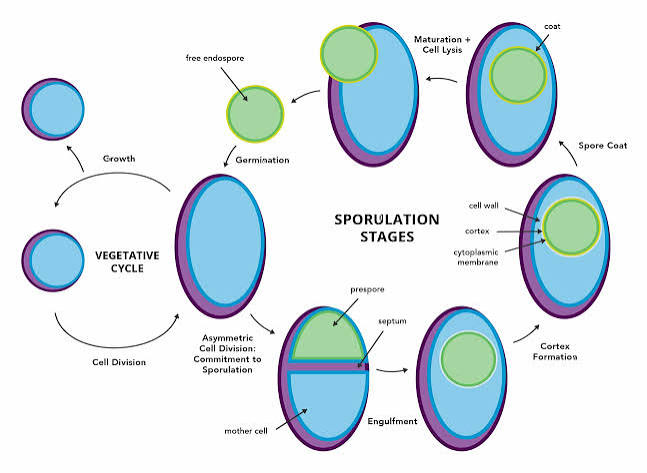
- Spore Resilience: It forms heat-, chemical-, and radiation-resistant endospores that exist widely in soil, lake and marine sediments, and on agricultural produce.
- Toxin Types: It produces seven distinct toxin types (A through G), with types A, B, E, and occasionally F responsible for human illness.
How the Toxin Works
- Mechanism: The botulinum neurotoxin blocks the release of the neurotransmitter acetylcholine at neuromuscular junctions.
- Paralysis: By stopping nerve signals to muscles, it causes a symmetrical, descending flaccid paralysis (weakness starting at the head and moving downward) that can impair breathing.
Main Types of Botulism
- Foodborne Botulism: Caused by ingesting pre-formed toxin in improperly processed, low-acid, home-canned, or anaerobic foods (like bulging cans, garlic in oil, or fermented fish).
- Infant Botulism: Occurs when babies ingest spores (often from honey) that colonize and produce toxin in their immature digestive tracts.
- Wound Botulism: Happens when spores contaminate an open wound and produce toxins inside infected tissue.
Symptoms and Treatment
- Early Signs: Marked fatigue, weakness, vertigo, blurred or double vision, dry mouth, and trouble speaking or swallowing.
- Advanced Signs: Descending muscle weakness, paralysis of arms/legs, and respiratory failure without loss of consciousness or fever.
- Medical Care: Treated promptly with botulinum antitoxin to neutralize circulating toxins, supportive breathing care (ventilators), and surgical cleaning of infected wounds.
- Medical Uses: Purified and diluted forms (such as Botox) are safely utilized in medicine and cosmetics to treat muscle spasticity and smooth wrinkles.