The top emerging global food safety issues revolve around climate-induced chemical/mold contamination, antimicrobial-resistant (AMR) pathogens, and toxic chemical residues (such as per- and polyfluoroalkyl substances, or PFAS).
According to data updates from the World Health Organization, unsafe food causes roughly 866 million illnesses and 1.52 million deaths annually worldwide, with chemical hazards—particularly heavy metals like inorganic arsenic and lead—driving over 73% of those deaths.
Key Global Trends and Issues
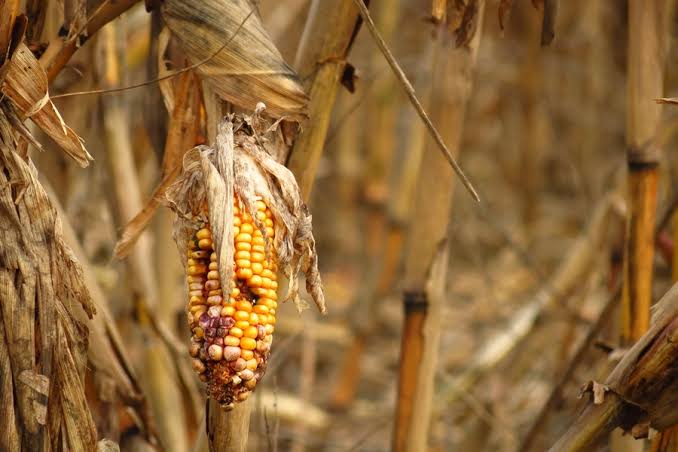
- Climate Change and Mycotoxins: Shifting weather patterns and rising temperatures have altered the geographic range of mold fungi. Traditionally cooler regions now face high levels of dangerous mycotoxins (such as aflatoxins and fumonisins) in cereal crops like corn and wheat.
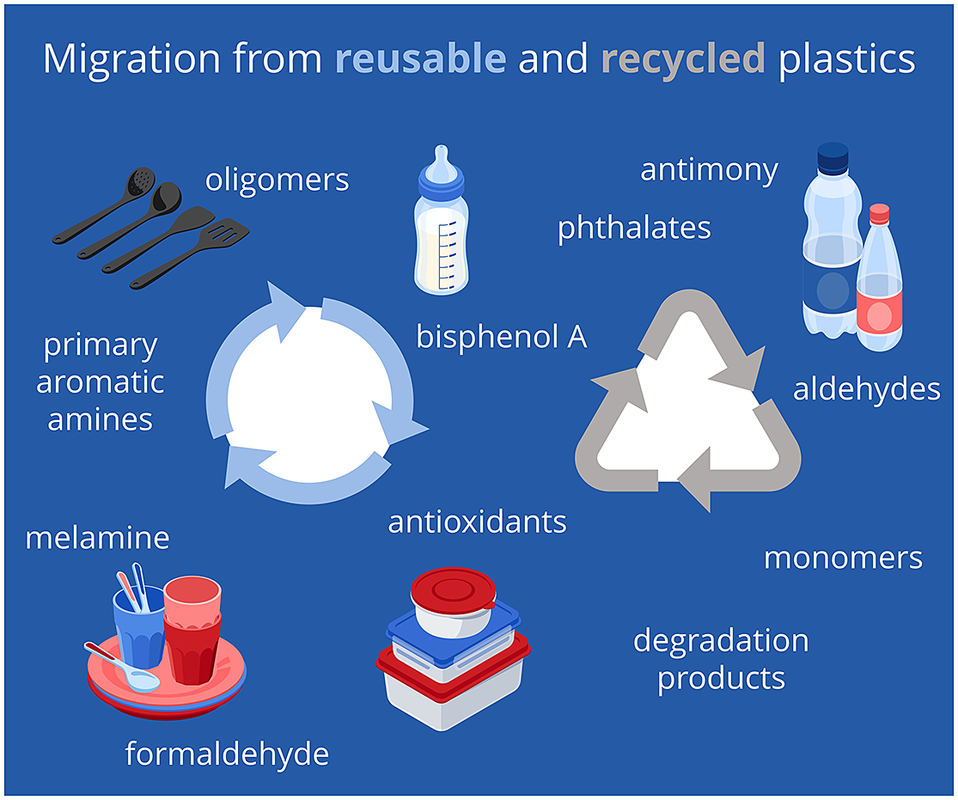
- Chemical Contaminants & PFAS: Persistent "forever chemicals" (PFAS) in food packaging and processing equipment, alongside toxic heavy metals in the food chain, represent a major long-term health risk. Stricter regulations and chemical bans (such as recent crackdowns on hazardous pesticides) are sweeping through global agricultural supply chains.
- Antimicrobial Resistance (AMR): Drug-resistant bacteria transmitted via the food supply (tracked via whole genome sequencing) are making standard treatments for severe foodborne infections increasingly difficult.
- Novel Proteins & Alternative Foods: The rapid expansion of cell-based meats, plant-based alternatives, and insect proteins brings new processing hazards, unverified supply chain tracking, and novel allergen cross-reactivities.
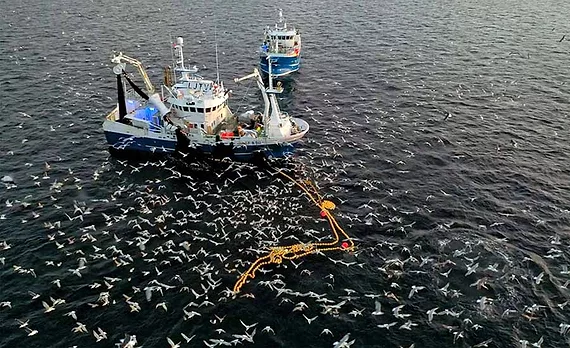
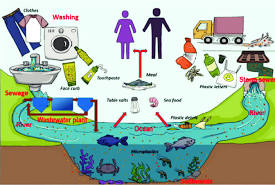
- Microplastics: Growing volumes of microplastics in marine and agricultural ecosystems present unknown long-term health impacts, forcing a push toward standardized global measurement.