HACCP plans fail because businesses focus on satisfying auditors with paperwork rather than embedding food safety into their daily operations. When a Hazard Analysis Critical Control Point system collapses, it is rarely due to a flaw in the 7 scientific principles themselves; instead, it stems from human, cultural, and operational breakdown.
The primary reasons why HACCP systems fail across the food industry involve several distinct structural and behavioral flaws.
1. Treating HACCP as "Paperwork Only" (The Binder Mentality)
- The Flaw: Management treats the HACCP manual as a static document to pass an annual inspection.
- The Reality: The procedures written in the office do not match actual practices on the kitchen or factory floor. Employees pencil-whip logs—faking timestamps or copy-pasting the exact same temperature readings daily—rendering the system useless for capturing real safety deviations.
2. Weak Prerequisite Programs (PRPs)
- The Flaw: Trying to build a complex HACCP plan on top of a broken foundation.
- The Reality: HACCP cannot fix an environment that lacks basic Sanitation Standard Operating Procedures (SSOPs) or Good Manufacturing Practices (GMPs). If building maintenance, pest control, equipment calibration, and personal hand hygiene are failing, a critical control point (CCP) further down the line will eventually be overwhelmed.
3. "Doing HACCP Backwards" and Template Reliance
- The Flaw: Downloading generic online templates or letting an external consultant build a plan with zero input from the floor workers.
- The Reality: This creates an operational mismatch. For example, a business retrofits a generic plan onto an existing setup without realizing their unique machinery, plumbing layout, or localized ingredient flow introduces cross-contamination pathways never accounted for in the template.
4. Poor Mismanagement of CCPs
- The Flaw: Designating either too many or too few Critical Control Points.
- The Reality:
- Too Many: Labeling minor tasks (like receiving raw vegetables or washing knives) as CCPs overwhelms the staff with mandatory paperwork, leading to employee fatigue and missed checks.
- Too Few: Missing an essential step where a pathogen must be killed or blocked, leaving a wide gap in food safety.
5. High Staff Turnover and Inadequate Training
- The Flaw: Failing to continuously train front-line workers on why they are measuring parameters.
- The Reality: In industries with high staff turnover, a newly hired line cook or line operator might be told to "check the temp," but they won't understand what a "critical limit" is, how to use a test strip properly, or how to execute a corrective action if a limit fails.
6. Vague Critical Limits and Lax Deviations
- The Flaw: Writing subjective limits like "cook thoroughly" or "keep cold," instead of precise metrics.
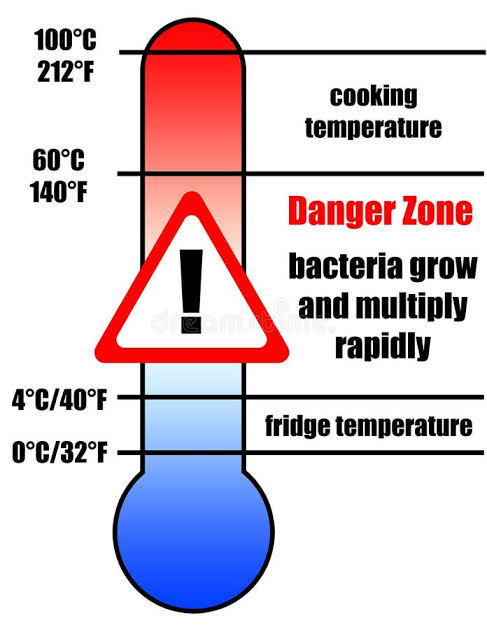
- The Reality: Limits must be explicitly testable (e.g., "74°C for 15 seconds"). When deviations happen, businesses often make the mistake of just "adjusting the knob" and releasing the food without documenting what happened to the compromised batch or performing a root-cause analysis.
7. Lack of Leadership Commitment
- The Flaw: Corporate or restaurant leadership treats food safety as a cost center rather than a core business metric.
- The Reality: If management refuses to invest in proper tools (like calibrated thermometers, automated temperature sensors, or scheduled staff training time), employees recognize that food safety is not a true priority and quickly stop following protocols.