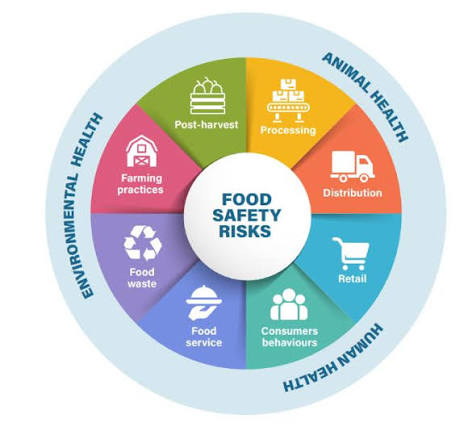
Controlling and minimizing exposure to carcinogens in food products involves a combination of industrial food safety protocols, proper storage, and specific culinary techniques.
|
Carcinogen Category |
Primary Food Source |
Primary Prevention & Exposure Controls |
|
Processed Meats |
Bacon, ham, hot dogs, sausages |
Dietary substitution: Replace with fresh, lean cuts or plant-derived proteins. |
|
Heterocyclic Amines (HCAs) & Polycyclic Aromatic Hydrocarbons (PAHs) |
Grilled, charred, or high-heat cooked muscle meats |
Acidic & herb marinades: Soak meat in citrus juices, vinegar, beer, or wine with herbs (rosemary, thyme) for 30–60 minutes to reduce HCA formation by up to 88%. |
|
Acrylamide |
Fried, roasted, or dark-toasted starchy foods (potatoes, bread) |
Temperature & time management: Fry or bake starchy foods to a light golden yellow color rather than brown or black. |
|
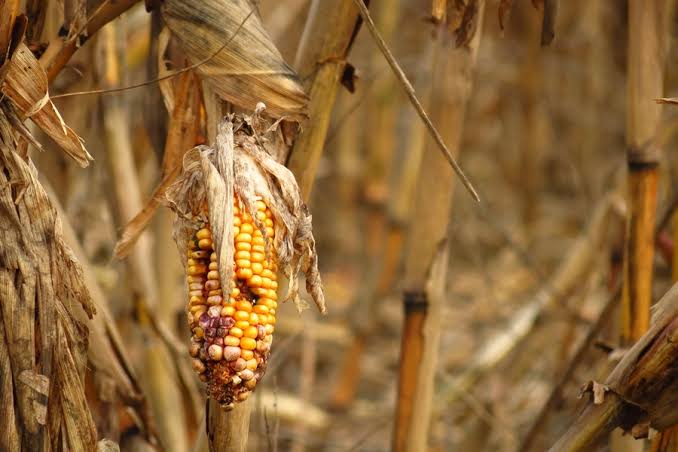
Aflatoxins |
Grains, corn, peanuts, and tree nuts stored in warm, humid conditions |
Moisture & humidity control: Keep pantry storage areas cool and dry. Discard nuts or grains that appear discolored, shriveled, or moldy. |
|
Alcoholic Beverages |
Wine, beer, and spirits |
Dose mitigation: Adhere strictly to institutional moderation guidelines (e.g., maximum of one drink per day for women, two for men) or eliminate intake entirely to completely control exposure. |
Industrial & System-Level Regulatory Controls
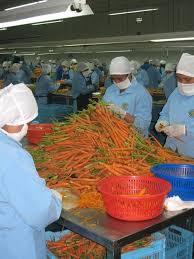
Beyond home kitchen practices, food manufacturing plants implement rigid Food Safety Management Systems to control chemical and biological hazards before products reach consumers:
- Hazard Analysis Critical Control Point (HACCP): Facilities identify specific steps where carcinogens (like aflatoxins or process contaminants) might develop and implement mandatory testing thresholds.
- Raw Material Verification: Rigorous testing of agricultural supply chains ensures crops prone to mold do not cross regulatory safe limits for microtoxins.
- Optimized Processing Parameters: Commercial fryers and roasters utilize highly controlled, automated temperature loops to prevent over-browning and excessive acrylamide generation.
While the vast majority of regulated food additives are considered safe within their established Acceptable Daily Intake (ADI) limits, scientific studies and global health authorities like the International Agency for Research on Cancer (IARC) have flagged specific additives for known, probable, or possible carcinogenic effects.
The primary food additives scrutinized for their carcinogenic potential, along with their scientific mechanisms and regulatory statuses, include the following:
1. Nitrates and Nitrites (E250, E251)
- Common Uses: Used as preservatives and color fixatives in processed meats like bacon, ham, hot dogs, and sausages.
- Carcinogenic Effect: Nitrates and nitrites themselves are not directly carcinogenic. However, when subjected to high heat cooking (like frying bacon) or when interacting with stomach acids and proteins, they react with amines to form nitrosamines. Nitrosamines are potent carcinogens strongly linked to colorectal and stomach cancers.
- IARC Classification: Group 1 (Carcinogenic to humans) when consumed via processed meats.
2. Artificial Sweeteners: Aspartame
- Common Uses: Diet sodas, sugar-free chewing gums, gelatin desserts, and low-calorie yogurt.
- Carcinogenic Effect: Following an extensive review of available human and animal data, international toxicological panels updated its risk profile due to limited but noted evidence linking it to certain types of liver cancer.
- IARC Classification: Group 2B (Possibly carcinogenic to humans). Public health agencies maintain that it remains safe to consume within established daily limits.
3. Synthetic Antioxidants: BHA and BHT (E320, E321)
- Common Uses: Added to potato chips, cereal, vegetable oils, and fat-heavy processed foods to prevent oxidation and rancidity.
- Carcinogenic Effect: Animal models have shown that high doses of Butylated Hydroxyanisole (BHA) can induce tumors in the forestomach of rodents. Evidence for Butylated Hydroxytoluene (BHT) is more conflicting, though it acts as a synergistic promoter of chemical carcinogens in some biological models.
- IARC Classification: BHA is classified as Group 2B (Possibly carcinogenic to humans). Both are still permitted under the U.S. Food and Drug Administration (FDA) "Generally Recognized as Safe" (GRAS) list but face strict maximum usage caps.
4. Food Colorings: Red 3 (Erythrosine)
- Common Uses: Historically used in candies, maraschino cherries, and baked goods.
- Carcinogenic Effect: High-dose laboratory animal testing demonstrated a clear link between Red 3 and an increased risk of thyroid tumors.
- Regulatory Status: This evidence prompted regulatory agencies to ban its use in cosmetics and externally applied drugs, and it has largely been substituted by Red 40 in most modern food formulations, though select food uses persist under heavy restriction.
5. Contaminants from Processing Solvents
Certain chemicals used as technical processing aids—rather than direct ingredients—can leave behind carcinogenic residues:
- Methylene Chloride & Trichloroethylene (TCE): Used as extraction solvents to decaffeinate coffee or extract spice oleoresins. TCE is a known human carcinogen, but its use is permitted only under strict FDA trace residual limits (e.g., less than 10–25 parts per million).
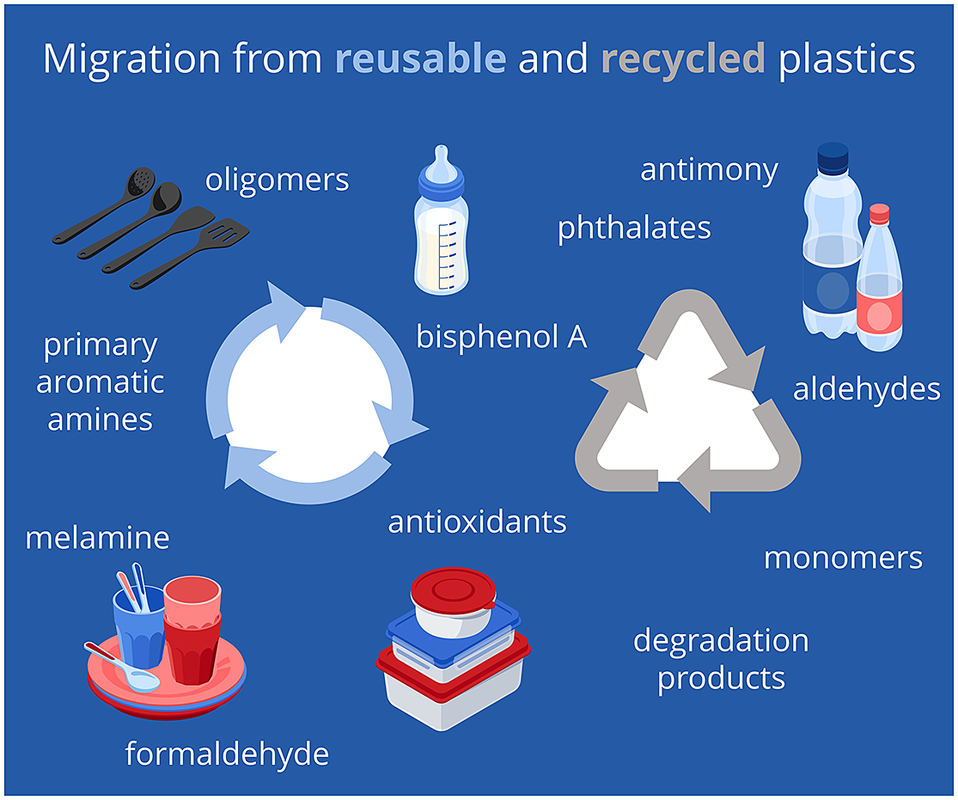
- Benzene Formation: While not directly added, the preservative sodium benzoate (E211) can react with ascorbic acid (Vitamin C) in acidic liquid environments (like fruit juices or soft drinks) to form small trace amounts of benzene, a known human leukemia-inducing carcinogen.
Summary of Carcinogenic Additive Pathways
|
Additive Group |
Primary Hazard |
Mechanism of Action |
|
Nitrites / Nitrates |
Nitrosamines |
Reacts with stomach proteins to alter cellular DNA. |
|
Synthetic Antioxidants (BHA) |
Forestomach tumors (Animal models) |
High-dose tissue irritation leading to hyperplasia. |
|
Chemical Solvents (TCE/Methylene Chloride) |
Trace residual extraction contamination |
Cellular toxicity affecting the kidneys and liver. |
|
Preservative Combinations |
Benzene formation |
Ascorbic acid reacting with sodium benzoate under heat/light. |