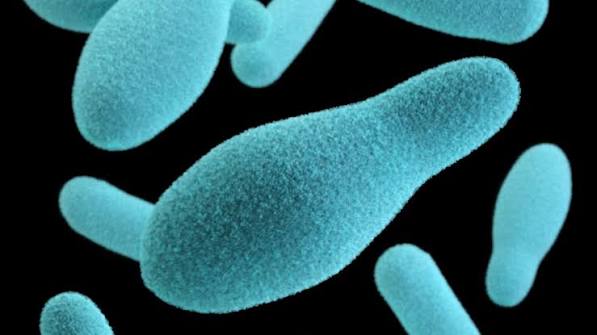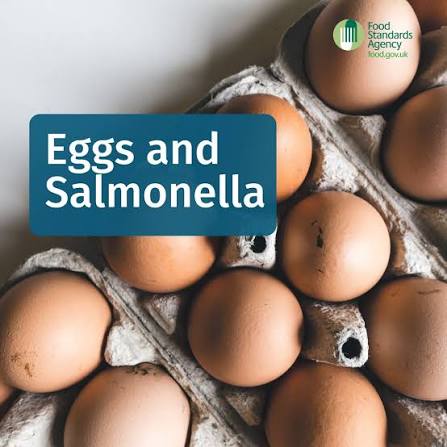
Salmonella contamination in eggs primarily stems from Salmonella enterica serotype Enteritidis, presenting a major global foodborne risk through both external shell penetration and internal ovarian transmission.
Transmission Routes and Mechanisms
- Vertical (Transovarian) Transmission: Bacteria infect the reproductive organs (ovaries and oviducts) of laying hens before the shell forms, directly contaminating the yolk or albumen.
- Horizontal (Shell) Transmission: Fecal matter on the outer shell post-lay can penetrate porous eggshells, accelerated by temperature fluctuations and moisture condensation.
- Hen Age and System Factors: Older flocks exhibit higher susceptibility due to declining cuticle deposition and reduced shell quality, while alternative and small open-style production farms can pose distinct environmental exposure risks.
Clinical Manifestations and Vulnerable Populations
- Gastroenteritis Symptoms: Ingestion leads to illness within 6 hours to 6 days, featuring acute abdominal cramps, diarrhea, fever, and vomiting.
- Severe Complications: High-risk groups—including young children under five, adults over 65, pregnant women, and immunocompromised individuals—face elevated rates of invasive bloodstream infections and hospitalization.
Inactivation and Prevention
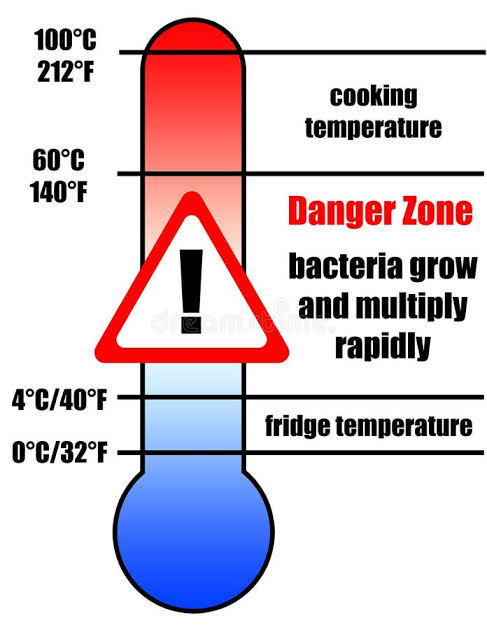
- Cooking Thresholds: High titers of Salmonella can survive runny preparations (such as sunny-side up or lightly boiled eggs) because standard low-heat cooking methods fail to guarantee complete thermal destruction.
- Cross-Contamination: Bacteria readily transfer from contaminated shells or undercooked liquids to hands, utensils, and kitchen surfaces, surviving persistently on damp materials.
- Regulatory Controls: Quality assurance frameworks, such as vaccination and testing programs (e.g., British Lion mark standards), significantly lower internal contamination compared to unregulated or imported source
Industrial Egg Pasteurization:
Industrial egg pasteurization requires a strict balance between thermal lethality (destroying pathogens like Salmonella Enteritidis) and preserving the sensitive functional properties of egg proteins, which easily coagulate under excessive heat.
Depending on the product type (whole egg, isolated white, yolk, or intact shell), the industry employs diverse thermal and non-thermal approaches.
1. Liquid Egg Pasteurization (Thermal)
Liquid egg processing relies primarily on Continuous Flow Plate Heat Exchangers (PHE). Because different egg components have varying viscosities and heat sensitivities, parameters are strictly isolated:
- Liquid Whole Egg: The U.S. Department of Agriculture (USDA) mandates a minimum treatment of 60°C for at least 3.5 minutes. International standards fluctuate due to regional variations; for instance, the United Kingdom requires 64°C for 2.5 minutes, while systems in France utilize ranges from 65°C to 68°C for 2–5 minutes to ensure up to a 6-decimal reduction of vegetative micro-organisms.
- Liquid Egg Yolk: Due to its high fat content and lower heat sensitivity, egg yolks are subjected to higher temperatures, ranging from 62°C to 65°C for a minimum of 420 seconds to properly eliminate pathogens without inducing gelation.
- Liquid Egg White (Albumen): The most heat-sensitive component, albumen proteins denature rapidly if overheated. It undergoes a lower, gentler thermal loop—typically between 55°C and 58°C for 210 to 240 seconds.
2. Whole Shell Egg Pasteurization
Pasteurizing the egg inside its intact shell protects against both internal and external contamination while keeping it looking raw.
- Hot-Water Immersion: This is the current conventional standard, involving submerging whole shell eggs in a calibrated warm water bath. Because heat transfers slowly across the shell, this process takes upwards of 45 to 57 minutes to safely elevate the internal core temperature without cooking the white.
- Radio Frequency (RF) Heating: An emerging technology developed by researchers at the USDA's Agricultural Research Service (ARS), RF uses an alternating electrical field to frictionally heat the water molecules directly within the egg. This approach achieves a 99.999% reduction in Salmonella within 24 minutes, vastly accelerating industrial scale-up compared to traditional water immersion.
3. Non-Thermal and Alternative Methods
To further extend shelf life and safeguard structural integrity, alternative physical processes are often applied:
- High-Pressure Processing (HPP): Treats liquid egg products by applying intense, uniform hydrostatic pressure, destroying bacterial cell walls without utilizing heat.
- Ultraviolet (UV-C) Irradiation: Low-pressure mercury lamps or UV-C LEDs deliver non-thermal, chemical-free surface decontamination. This mechanism targets external eggshell pathogen loads, yielding a 1 to 3 log reduction of Salmonella.
- Hot-Air/Dry Heat Treatment: Specifically reserved for dried egg white powders, this protocol stores packaged powder inside specialized hot rooms at low humidity for a week or longer to clear resistant microbial strains.