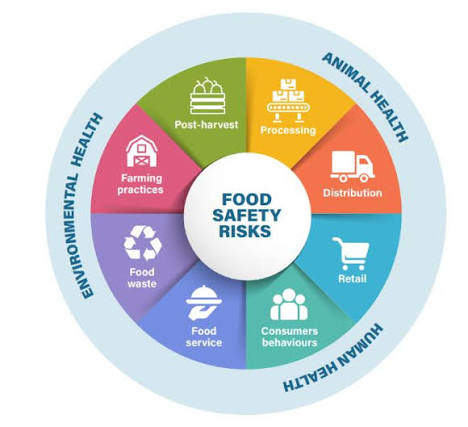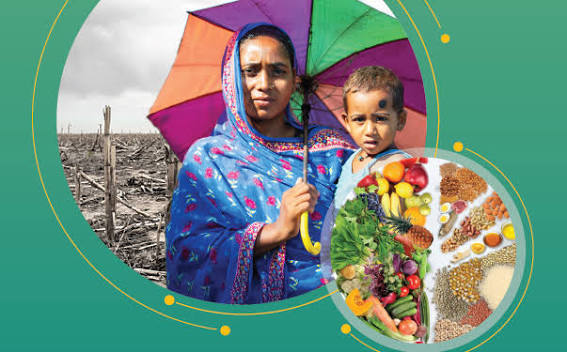
Climate change is quietly rewriting the rules of what we eat, transforming food safety from a kitchen-hygiene issue into a global public health challenge. While conversations around global warming usually focus on rising sea levels or extreme weather, the invisible impact on our food supply is just as urgent. From field to fork, shifting temperatures and unpredictable weather patterns are creating a perfect storm for foodborne illnesses, toxicity, and contamination.
Here is a comprehensive breakdown of how climate change threatens food safety, and what it means for the future of our plates.
🌟 The Invisible Threats to Our Plate
🦠 The Rise of Pathogens and Bacteria
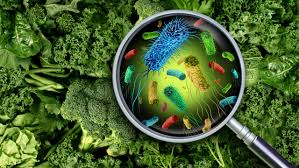
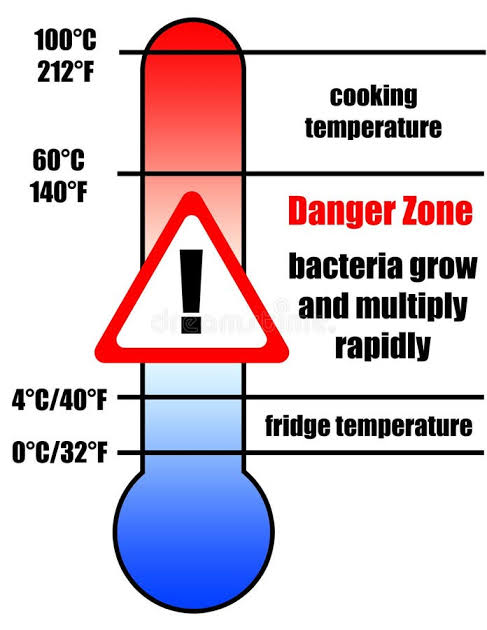
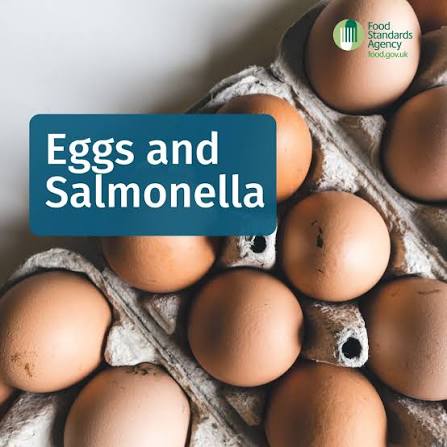
- Accelerated Bacterial Growth: Warmer global temperatures act as an incubator for dangerous foodborne pathogens. Bacteria like Salmonella, Campylobacter, and E. coli thrive and multiply much faster in warmer, humid conditions.
- Expanded Geographic Reach: Pathogens that were once confined to tropical or warmer regions are migrating into previously temperate zones as those areas warm up.
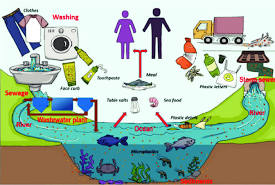
- Waterborne Contamination: Flooding from extreme weather events washes agricultural runoff, animal waste, and untreated sewage into clean water sources used for irrigating crops and processing food.
🍄 The Spread of Fungal Mycotoxins
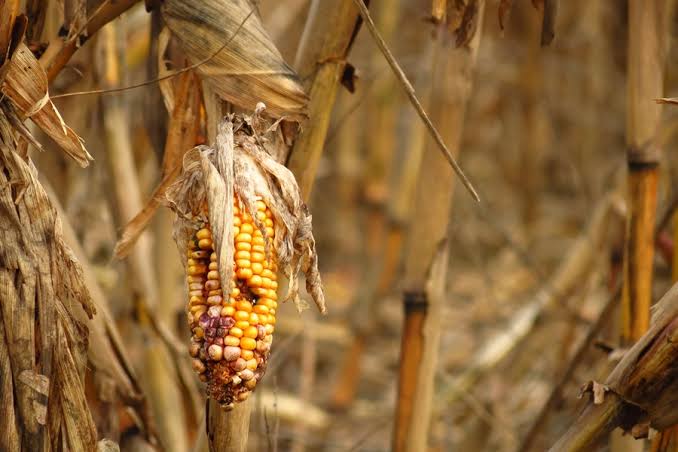
- Toxic Mold Growth: Increased humidity and heat stress crops like corn, wheat, coffee, and peanuts. This stress makes them highly susceptible to molds that produce mycotoxins—toxic chemical compounds that can cause severe illness in humans and livestock.
- Aflatoxin Exposure: One of the most dangerous mycotoxins, aflatoxin, is a potent carcinogen linked to liver cancer. Crop damage from droughts and sudden heavy rains significantly increases aflatoxin levels during both cultivation and storage.
🌊 Contaminated Oceans and Seafood
- Toxic Algal Blooms: Rising sea surface temperatures fuel the rapid growth of harmful algal blooms, often called "red tides." These blooms produce marine biotoxins.
- Shellfish Poisoning: Filter-feeding shellfish like oysters, clams, and mussels absorb these toxins. Consuming contaminated seafood can lead to severe, sometimes fatal, paralytic or diarrhetic shellfish poisoning.
- Heavy Metal Accumulation: Warmer waters alter marine food webs, causing predatory fish to absorb higher concentrations of heavy metals like methylmercury at faster rates.
📈 Increased Pest Activity and Chemical Use
- Pest Surges: Warmer winters mean fewer pests die off during the cold season. Farmers face larger insect populations and new plant diseases moving into their regions.
- Chemical Overuse: To protect their yields, farmers are often forced to use higher volumes of pesticides and fungicides. This increases the risk of harmful chemical residues remaining on fruits and vegetables by the time they reach consumers.
🔄 The Food Safety Disruption Cycle
|
Climate Driver |
Direct Impact on Agriculture |
Resulting Food Safety Risk |
|
Rising Temperatures |
Accelerated spoilage; heat-stressed livestock and crops. |
Rapid bacterial multiplication; higher toxin levels. |
|
Heavy Rainfall & Floods |
Soil erosion; agricultural and sewage runoff into water systems. |
Pathogen contamination of fresh produce; waterborne diseases. |
|
Droughts |
Water scarcity leading to the use of lower-quality wastewater for irrigation. |
Heavy chemical residue; increased susceptibility to toxic molds. |
|
Warming Oceans |
Proliferation of toxic algae and bacteria (like Vibrio). |
Seafood poisoning; elevated heavy metal accumulation in fish. |
🛡️ Building a Climate-Resilient Food System
Safeguarding our food supply in a changing climate requires shifting from a reactive approach to a proactive, predictive model.
- Smarter Cold Chains: As ambient temperatures rise, maintaining an unbroken refrigeration chain from harvest to transport to retail is critical to prevent bacterial growth.
- Predictive AI Modeling: Utilizing weather data and machine learning to forecast toxic algal blooms or mycotoxin outbreaks before crops are harvested or seafood is gathered.
- Resilient Infrastructure: Upgrading agricultural water systems to prevent cross-contamination between sewage lines and irrigation water during major flood events.
- Empowered Consumers: Educating the public on proper food storage, handling, and cooking practices, which become even more critical during heatwaves and summer months.